
Smart Irrigation and Water Management Techniques for Optimizing Macadamia Farming Yields
Water management plays a critical role in macadamia farming, where the balance between sufficient hydration and water conservation directly affects tree health and nut production. Smart irrigation systems offer a precise and efficient way to manage water use, ensuring macadamia trees receive the right amount of water at the right time. This blog post explores the technical credibility of smart irrigation, the benefits of drip irrigation for macadamia trees, water optimization techniques to boost yields, and the risks of overwatering.

Understanding the Technical Credibility of Smart Irrigation Systems
Smart irrigation systems integrate technology such as soil moisture sensors, weather data, and automated controllers to deliver water efficiently. These systems rely on real-time data to adjust irrigation schedules and volumes, reducing water waste and improving crop health.
Soil moisture sensors measure the water content in the root zone, allowing irrigation only when necessary.
Weather stations provide data on rainfall, temperature, and humidity, helping to avoid unnecessary watering.
Automated controllers use this data to turn irrigation on or off, or adjust flow rates, without manual intervention.
Scientific studies confirm that smart irrigation can reduce water use by 20-50% compared to traditional methods while maintaining or improving crop yields. For macadamia farming, this precision is essential because these trees have specific water needs that vary with growth stages and environmental conditions.
Benefits of

for Macadamia Trees
Drip irrigation delivers water directly to the root zone through a network of tubes and emitters. This method offers several advantages for macadamia orchards:
Water efficiency: Drip systems minimize evaporation and runoff by applying water slowly and precisely.
Improved root health: Consistent moisture at the root zone encourages deeper root growth and reduces water stress.
Reduced weed growth: By limiting water to the root zone, drip irrigation discourages weed germination between trees.
Lower disease risk: Unlike overhead irrigation, drip systems keep foliage dry, reducing fungal diseases common in macadamia trees.
Farmers using drip irrigation report better nut quality and higher yields. For example, a study in South Africa showed a 15% yield increase in macadamia orchards using drip irrigation compared to flood irrigation.
Water Optimization Techniques to Enhance Crop Yield
Optimizing water use in macadamia
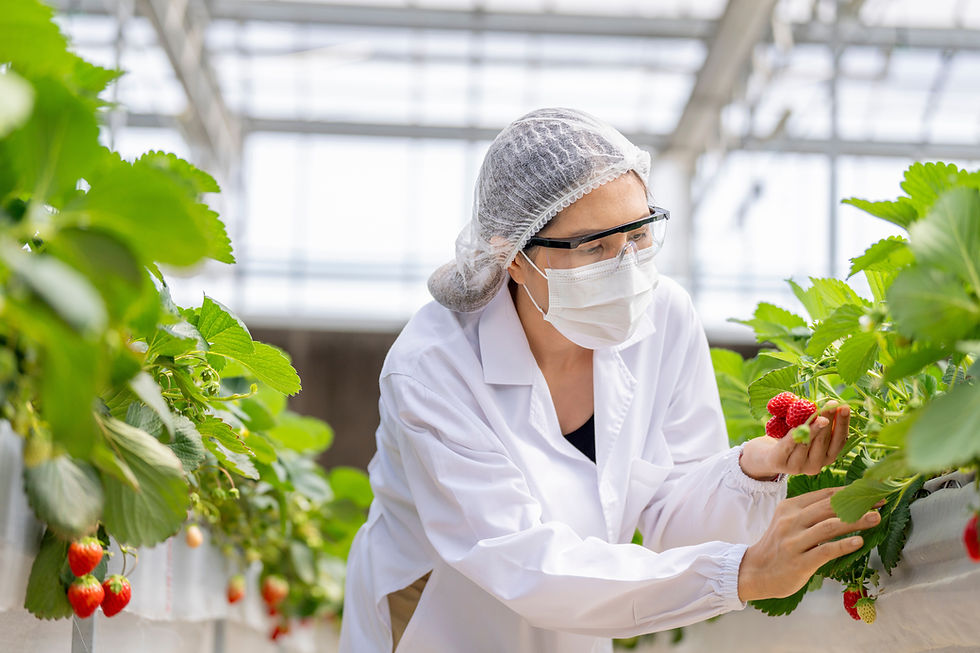
involves more than just installing smart irrigation. Combining technology with best practices can maximize benefits:
Scheduling irrigation based on growth stages: Macadamia trees require more water during flowering and nut development. Adjusting irrigation accordingly supports these critical phases.
Using soil moisture thresholds: Setting irrigation triggers based on soil moisture levels prevents under- or overwatering.
Mulching: Applying organic mulch around trees reduces evaporation and maintains soil moisture.
Regular system maintenance: Checking for leaks, clogged emitters, and system calibration ensures efficient water delivery.
Integrating weather forecasts: Adjust irrigation plans based on upcoming rainfall to avoid unnecessary watering.
These techniques help conserve water while supporting healthy tree growth and maximizing nut production.
Risks of Overwatering and Its Impact on Macadamia Farming

Overwatering is a common mistake that can harm macadamia trees and reduce yields. Excess water leads to:
Root oxygen deprivation: Waterlogged soils limit oxygen availability, causing root damage and reduced nutrient uptake.
Increased disease susceptibility: Wet conditions promote root rot and fungal infections.
Nutrient leaching: Excess water washes away essential nutrients, weakening trees.
Poor fruit set and quality: Overwatered trees may produce fewer nuts with lower oil content.
Farmers must avoid applying water beyond the tree’s needs. Smart irrigation systems help by providing data-driven control, but understanding the signs of overwatering and adjusting practices accordingly is essential.


Comments